
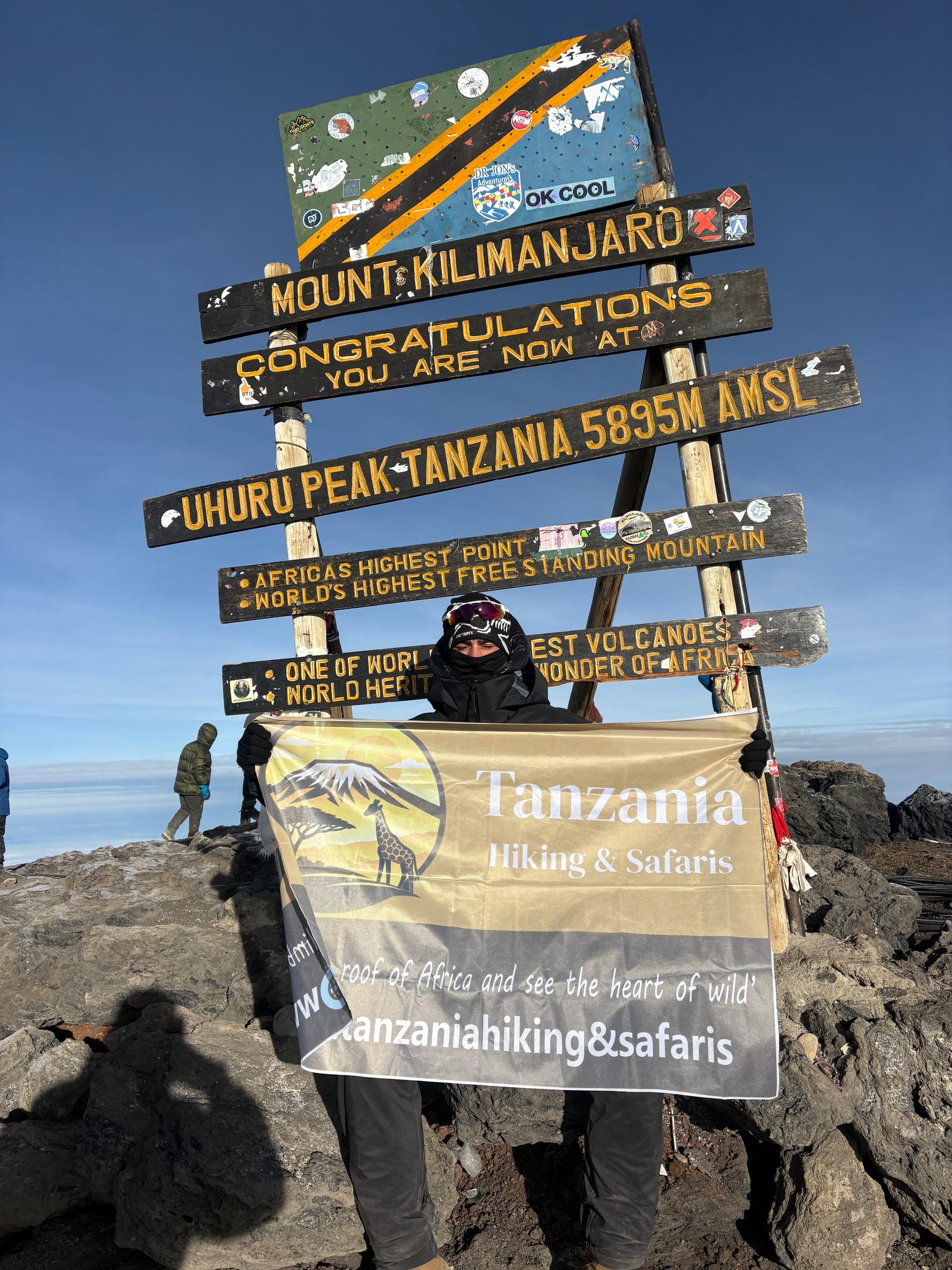
 7 days
Trek
Kilimanjaro — Machame Route, 7 Days
The Whiskey Route, with the extra day that makes the difference.
View day by dayTrekking
What it feels like, what helps, and the symptoms that end a climb.
What it feels like, what helps, and the symptoms that end a climb.
Headache, poor sleep, a dulled appetite and breathlessness on gentle ground are normal above about 3,000 m. Mild acute mountain sickness is not dangerous in itself and usually settles as you adjust.
Ascending slowly, drinking three to four litres a day, eating even when you do not want to, and climbing high then sleeping low. Our guides check oxygen saturation and pulse twice a day, every day.
Acetazolamide genuinely helps many people acclimatise. It is a prescription medicine with real side effects — tingling fingers, frequent urination, flat-tasting fizzy drinks. Discuss it with your own doctor well before you travel, and never start it for the first time on the mountain.
Confusion, loss of coordination, breathlessness at rest or a cough with frothy sputum are signs of HACE or HAPE, and both are emergencies. The treatment is immediate descent. Our guides will make that call, and it is not negotiable — the mountain will still be there next year.
7 days
Trek
The Whiskey Route, with the extra day that makes the difference.
View day by day
11 days
Trek
Climb Meru first, rest, then take Kilimanjaro with 4,566 m already in your legs.
View day by day