
 7 days
Trek
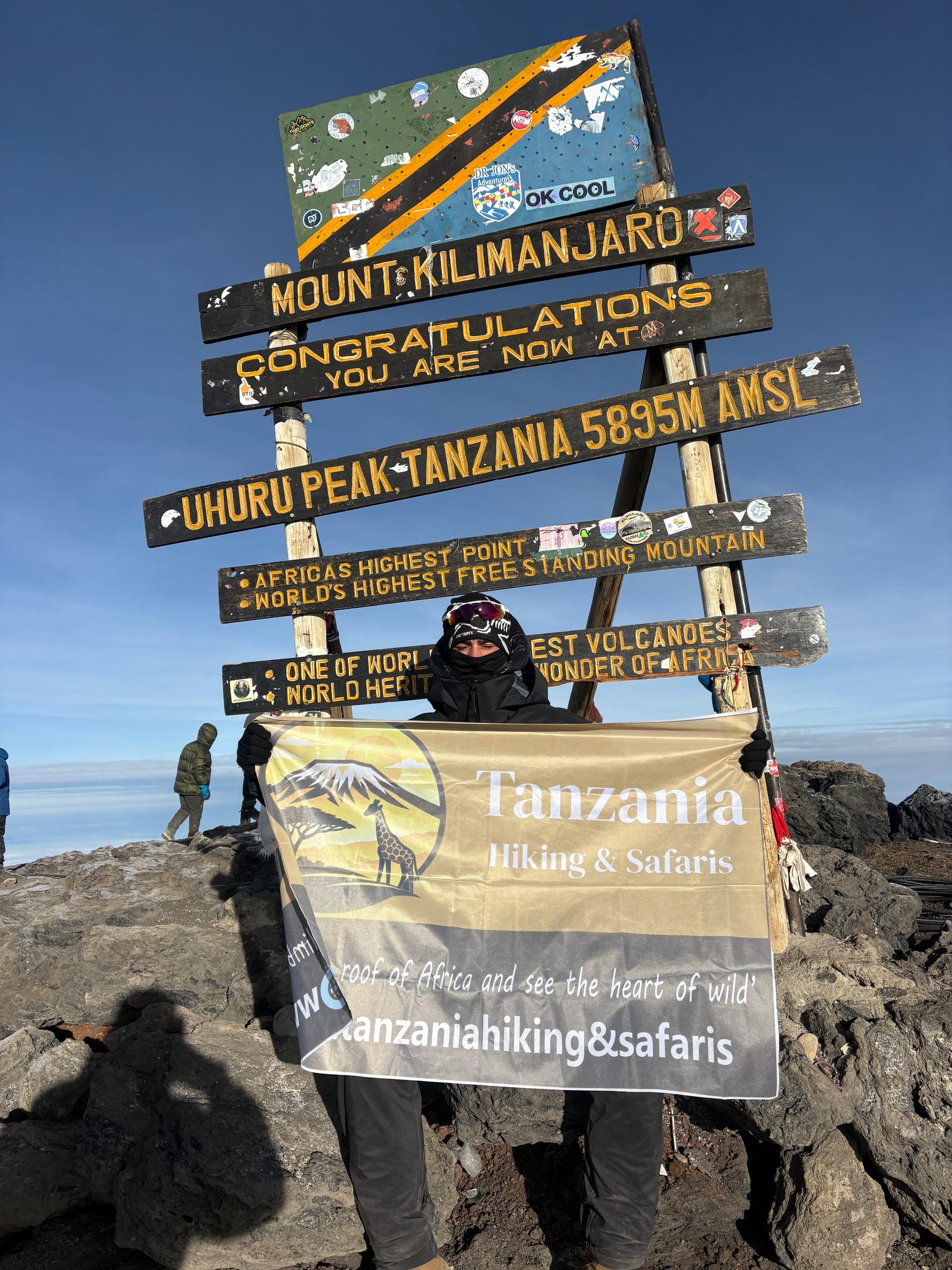
Kilimanjaro — Machame Route, 7 Days
The Whiskey Route, with the extra day that makes the difference.
View day by dayTrekking
Long walks on hills, in the boots you will wear. Most of the rest is noise.
Long walks on hills, in the boots you will wear. Most of the rest is noise.
Six to seven hours of walking a day for a week, on uneven ground, carrying a light daypack, at altitude. It is not steep for long and it is never technical. Endurance and durable feet matter far more than power or speed.
One long walk a week, building to six hours on hilly ground with a 5–7 kg pack. Two or three shorter sessions in between — walking, cycling, swimming, anything that keeps your heart rate up for an hour. Start three to four months out.
More summit attempts are ended by blisters than by altitude. Wear the exact boots and the exact socks you will climb in for at least 50 km beforehand, including a couple of long descents — that is what wrecks toenails.
Altitude. You cannot prepare for it at sea level, and being very fit sometimes makes it worse because fit people walk too fast. On the mountain, go slower than feels natural — pole pole is not a slogan, it is the method.
7 days
Trek
The Whiskey Route, with the extra day that makes the difference.
View day by day
8 days
Trek
The quietest start, the best acclimatisation, the highest success rate.
View day by day